research
Overview of primary research strands, theoretical frameworks, and core contributions.
1. Nonverbal Behavior, Emotion & Social Perception in Sport
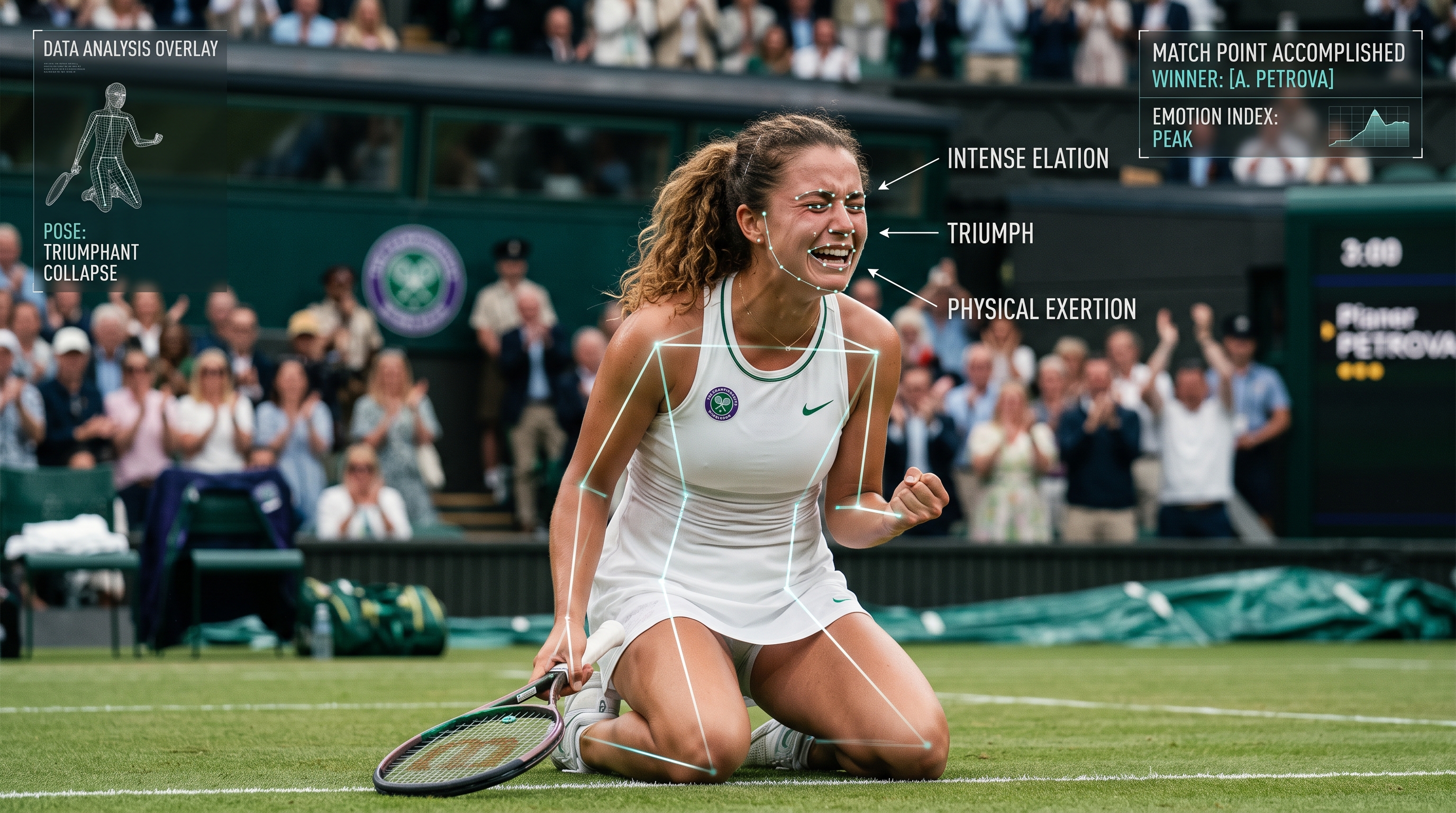
This DFG funded research strand investigates how human emotions and nonverbal signals are communicated, perceived, and utilized in high-pressure athletic environments. Utilizing thin-slice methodology, 3D pose analysis, and body and Facial Action Coding (FACS), this work explores how body language, facial expressions, and emotional displays influence expectancy of success, impression formation, and strategic interactions between opponents, teammates, and coaches.
A key objective of this domain is to bridge basic social psychology and evolutionary theory with real-world application, demonstrating how nonverbal cues reveal underlying cognitive states (such as fatigue or confidence) and directly shape athletic performance across sports like soccer, darts, basketball, and tennis.
Selected Strand Publications
2026
- Decoding of Postperformance Nonverbal Behavior of Tennis Players: Is a Shorter Response Time Associated With Higher Accuracy?Journal of Sport and Exercise Psychology , 2026
- Nonverbal Behaviour in Football: A 3D Pose-Based Analysis of Player Expressions and Observer PerceptionsJournal of Nonverbal Behavior , 2026
- Signaling Physical Exertion. Can Observers Detect Physical Exertion from Athletesβ Nonverbal BehaviorJournal of Nonverbal Behavior , 2026
2025
- Female athletes explicitly gesture in emotional situationsFrontiers in Psychology , 2025
- Thin-slice accuracy depends on the wisdom of crowds: Aggregate judgments outperform individual judgments when inferring athletic performance based on nonverbal behaviorJournal of Nonverbal Behavior , 2025
- FACS coding of televised darts players reveals different facial behavior before successful and unsuccessful performancesPsychology of Sport and Exercise , 2025
2024
- Chapter
- Chapter
- A smile can go a long way: The effects of dominant and rewarding smiles of coaches on athletes in an evaluative performance contextInternational Journal of Sports Science & Coaching , 2024
2023
- Chapter
- The nature and culture of nonverbal behavior in sports: Theory, methodology, and a review of the literatureInternational Review of Sport and Exercise Psychology , 2023
- Non-verbal behaviour of professional soccer players performing in the absence or presence of fansEuropean Journal of Social Psychology , 2023
2022
- Emotional intelligence and drawing inferences from nonverbal cues in sportsInternational Journal of Sport and Exercise Psychology , 2022
2021
- The expression of success: Are thin-slices of pre-performance nonverbal behavior prior to throwing darts predictive of performance in professional darts?Journal of Nonverbal Behavior , 2021
- Coding body language in sports: The nonverbal behavior coding system for soccer penaltiesJournal of Sport and Exercise Psychology , 2021
- Nonverbal expressions of soccer coaches during the game and their potential effects on observersInternational Journal of Sports Science & Coaching , 2021
- Nonverbal pre-performance expressions of professional darts players distinguish between good and poor performanceScientific Reports , 2021
2020
- Chapter
- ChapterThe Psychology of Penalty Kicks: The Influence of Emotions on Penalty Taker and Goalkeeper PerformanceIn The Psychology of Soccer , 2020
- The power of nonverbal behavior: Penalty-takersβ body language influences impression formation and anticipation performance in goalkeepers in a simulated soccer penalty taskPsychology of Sport and Exercise , 2020
2019
- Chapter
- The power motive as a predictor of receptiveness to nonverbal behavior in sportMotivation and Emotion , 2019
- The expression of ego depletion: Thin slices of nonverbal behavior as cues to momentary self-control capacity.Social Psychology , 2019
2018
- Nonverbal behavior accompanying challenge and threat states under pressurePsychology of Sport and Exercise , 2018
2017
- The winner takes it all: Event-related brain potentials reveal enhanced motivated attention toward athletesβ nonverbal signals of leadingSocial Neuroscience , 2017
2016
- In a flash: Thin slice judgment accuracy of leading and trailing in sportsJournal of Nonverbal Behavior , 2016
- Judgments of nonverbal behaviour by children with high-functioning autism spectrum disorder: Can they detect signs of winning and losing from brief video clips?Journal of Autism and Developmental Disorders , 2016
- Nonverbal communication of confidence in soccer referees: An experimental test of Darwinβs leakage hypothesisJournal of Sport and Exercise Psychology , 2016
2015
- βPut your Hands up in the Airβ? The interpersonal effects of pride and shame expressions on opponents and teammatesFrontiers in Psychology , 2015
2014
- βWhite men canβt jump.β But can they throw? Social perception in European basketballScandinavian Journal of Medicine & Science in Sports , 2014
- The expression of victory and loss: Estimating whoβs leading or trailing from nonverbal cues in sportsJournal of Nonverbal Behavior , 2014
- βIβm pretty sure that we will win!β: The influence of score-related nonverbal behavioral changes on the confidence in winning a basketball gameJournal of Sport and Exercise Psychology , 2014
2012
- Nonverbal behavior in soccer: The influence of dominant and submissive body language on the impression formation and expectancy of success of soccer playersJournal of Sport and Exercise Psychology , 2012
- βHold your head highβ. The influence of emotional versus neutral nonverbal expressions of dominance and submissiveness in baseball.International Journal of Sport Psychology , 2012
- βGet it out the way. The waitβs killing me.β hastening and hiding during soccer penalty kicksPsychology of Sport and Exercise , 2012
2. Executive Functions, Attention & Cognitive Load
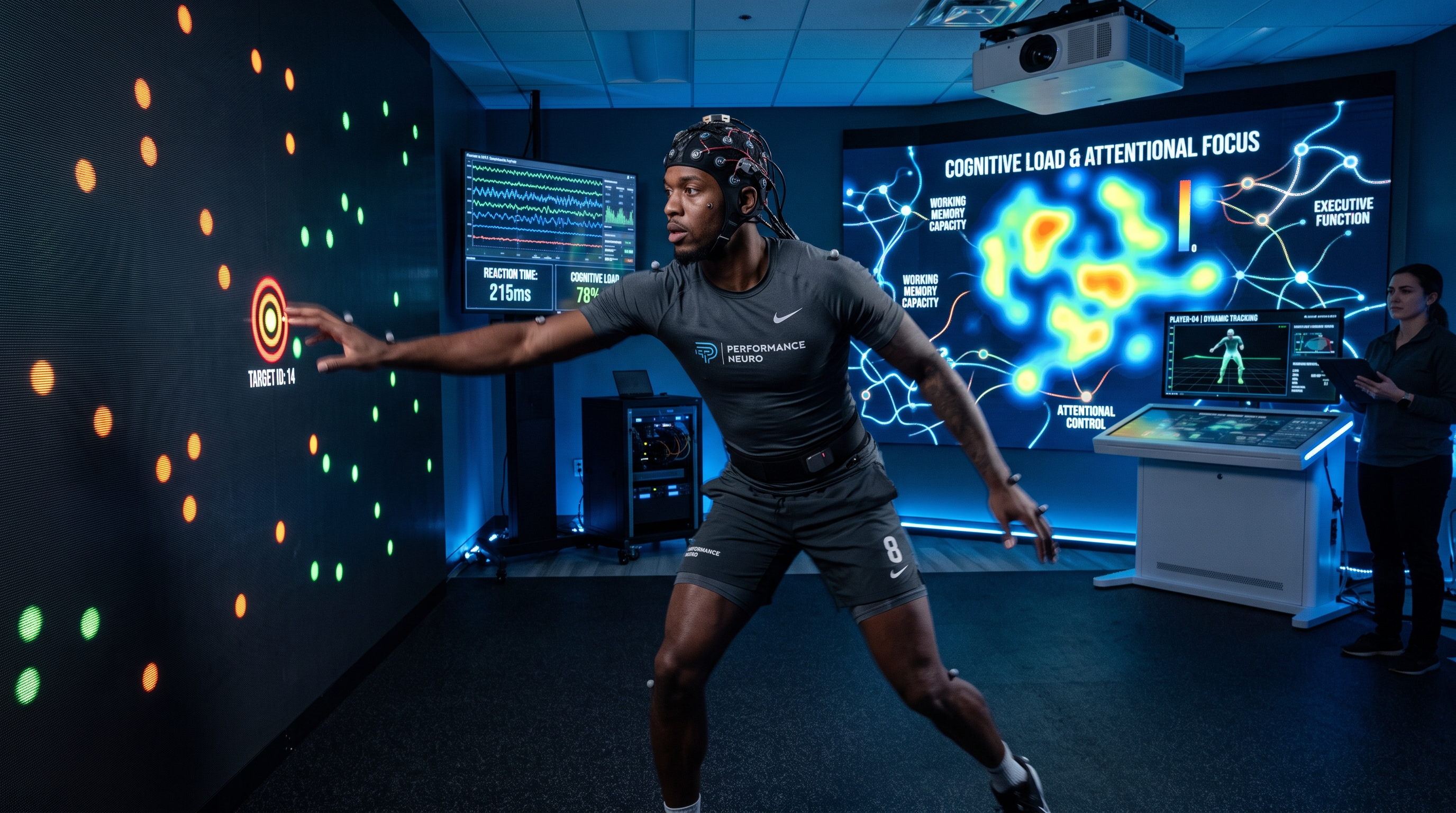
This research line explores the cognitive architecture underlying elite human movement and tactical decision-making. Focusing on working memory capacity, visual attention, inattentional blindness, and dual-process models, the goal is to unravel how athletes process complex environmental stimuli while maintaining self-control under fatigue and cognitive load.
Additionally, this strand examines the boundaries of cognitive transfer and ego-depletion, critically evaluating how executive control mechanisms function in high-pressure performance contexts and driving rigorous methodological standards for assessing executive function across sport science.
Selected Strand Publications
2027
- Testing transfer effects of domain-general cognitive abilities to domain-specific decision making in Soccer: Are basic cognitive abilities related to creativity and intelligent decision making?Psychology of Sport and Exercise , 2027
2026
- Ten recommendations for improving the study of executive functions in sport and exerciseInternational Review of Sport and Exercise Psychology , 2026
2025
- A critical review of research on executive functions in sport and exerciseInternational Review of Sport and Exercise Psychology , 2025
2023
- The BASES Expert Statement on the relationship between executive functions and sport and exerciseThe Sport and Exercise Scientist , 2023
2022
- The influence of slow-paced breathing on executive function.Journal of Psychophysiology , 2022
2018
- Whatβs past is past: Neither perceptual preactivation nor prior motivational relevance decrease subsequent inattentional blindnessConsciousness and Cognition , 2018
- Can creative role models prime creativity in soccer players?Psychology of Sport and Exercise , 2018
2016
- Inattentional blindness is influenced by exposure time not motion speedQuarterly Journal of Experimental Psychology , 2016
- The influence of attention set, working memory capacity, and expectations on inattentional blindnessPerception , 2016
- Does working memory capacity predict cross-modally induced failures of awareness?Consciousness and Cognition , 2016
- Working memory, attentional control, and expertise in sports: a review of current literature and directions for future research.Journal of Applied Research in Memory and Cognition , 2016
- Working memory capacity, visual attention and hazard perception in driving.Journal of Applied Research in Memory and Cognition , 2016
2015
- Working-memory performance is related to spatial breadth of attentionPsychological Research , 2015
- Is ego depletion associated with increased distractibility? Results from a basketball free throw taskPsychology of Sport and Exercise , 2015
- Does semantic preactivation reduce inattentional blindness?Attention, Perception, & Psychophysics , 2015
- Ego depletion in color priming research: Self-control strength moderates the detrimental effect of red on cognitive test performancePersonality and Social Psychology Bulletin , 2015
- The relationship between working memory, reinvestment, and heart rate variabilityPhysiology & Behavior , 2015
- Creativity and working memory capacity in sports: working memory capacity is not a limiting factor in creative decision making amongst skilled performersFrontiers in Psychology , 2015
- The two modes of an athlete: dual-process theories in the field of sportInternational Review of Sport and Exercise Psychology , 2015
- Persistent postconcussive symptoms are accompanied by decreased functional brain oxygenationThe Journal of Neuropsychiatry and Clinical Neurosciences , 2015
- Inattentional blindness and individual differences in cognitive abilitiesPLoS ONE , 2015
2013
- Perceptual load in sport and the heuristic value of the perceptual load paradigm in examining expertise-related perceptual-cognitive adaptationsCognitive Processing , 2013
- βWhom should I pass to?β The more options the more attentional guidance from working memoryPLoS ONE , 2013
- Ego depletion, attentional control, and decision making in sportPsychology of Sport and Exercise , 2013
2012
- Working memory capacity as controlled attention in tactical decision making.Journal of Sport & Exercise Psychology , 2012
2011
- Studying cognitive adaptations In the field of sport: Broad or narrow transfer? A comment on Allen, Fioratou, and McGeorge (2011)Perceptual and Motor Skills , 2011
2010
- The dark side of visual awareness in sport: Inattentional blindness in a real-world basketball taskAttention, Perception, & Psychophysics , 2010
- Differences in spatial working memory as a function of team sport expertise: The Corsi Block-tapping task in sport psychological assessmentPerceptual and Motor Skills , 2010
- Beyond inattentional blindness and attentional misdirection: From attentional paradigms to attentional mechanismsConsciousness and Cognition , 2010
- The role of working memory in sportInternational Review of Sport and Exercise Psychology , 2010
2007
- βI spy with my little eye!β: Breadth of attention, inattentional blindness, and tactical decision making in team sportsJournal of Sport and Exercise Psychology , 2007
3. Evolutionary Perspectives, Biocultural Models & Metascience
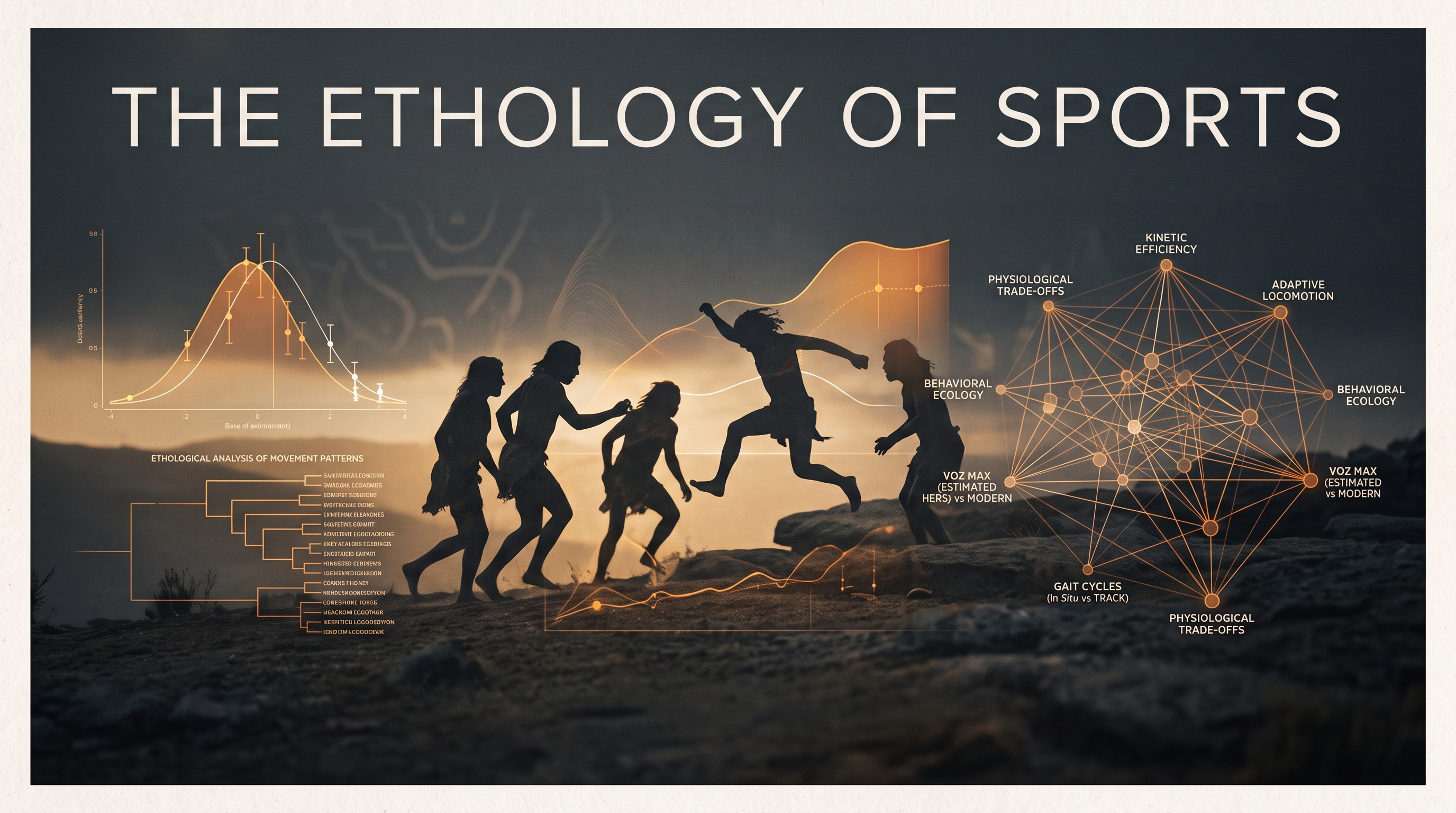
This interdisciplinary line uses evolutionary behavioral science to understand modern athletic competition as a window into human nature, physical play, and competitive signaling. Topics range from biocultural frameworks of play to evolutionary hypotheses explaining home ground territoriality.
Parallel to evolutionary theory, this strand emphasizes metascience and Open Science practices within sport psychologyβcritically examining replication validity (e.g., color effects and aggression), statistical power, sample sizes, and the relative utility of systematic versus narrative review formats.
Selected Strand Publications
2026
- Black Uniforms and Aggression in Professional Sports: Failure to Replicate Frank and Gilovich (1988) With Original and Expanded NFL and NHL DataCollabra: Psychology , 2026
- Sample Sizes in Sport and Exercise Psychology: Have They Increased in the Past Decade?Psychology of Sport and Exercise , 2026
2023
- Critical review of uniform color effects in sportsInternational Review of Sport and Exercise Psychology , 2023
2022
- Red shirt color has no effect on winning in European Soccer: Reanalysis of Attrill et al.(2008) of the English premier league and six additional European leaguesPsychology of Sport and Exercise , 2022
2021
- The nature and culture of physical activity play: Towards a biocultural model of play, practice, and teaching in sports.Evolutionary Behavioral Sciences , 2021
- Systematic vs. narrative reviews in sport and exercise psychology: Is either approach superior to the other?Frontiers in Psychology , 2021
2020
- Chapter
- Reliable measurement in sport psychology: The case of performance outcome measuresPsychology of Sport and Exercise , 2020
2019
- What modern sports competitions can tell us about human naturePerspectives on Psychological Science , 2019
2018
- Thin slices of athletesβ nonverbal behavior give away game location: Testing the territoriality hypothesis of the home game advantageEvolutionary Psychology , 2018
2016
- Reproducible research in sport and exercise psychology: The role of sample sizesPsychology of Sport and Exercise , 2016
- The Crisis of Confidence in Psychological Research: Selected Causes and Suggestions for Research in Sport and Exercise PsychologyZeitschrift fur Sportpsychologie , 2016
- The Expert-Novice Paradigm and the Crisis of Confidence in PsychologyZeitschrift fur Sportpsychologie , 2016
4. Sport & Match Analysis
Focused on elite performance analysis, this research strand applies systematic video-notational methods, spatial analytics, and relative age effects in talent identification, and psychological profiling to understand decision-making under high stakes. Major areas of inquiry include the mechanical and psychological determinants of soccer penalty kicks, home advantage phenomena, and the objectivity of match analysis data used by elite coaching staff.
By evaluating parameters such as visuomotor calibration, pressure, and perceptual strategies in sports like soccer, tennis, and darts, this work bridges match data analytics with actionable insights for talent development and opponent preparation.
Selected Strand Publications
2026
- Using video-notational analysis to examine soccer playersβ behavioursInternational Journal of Sport and Exercise Psychology , 2026
2025
- Objectivity of match analysis in football: Testing the level of agreement between coachesβ interpretations of video dataInternational Journal of Sports Science & Coaching , 2025
- A home advantage in offside decisions in German professional football (soccer)Collabra: Psychology , 2025
- The perils of the first try: experimental evidence for visuomotor calibration in darts and hammeringPsychological Research , 2025
2024
- Home advantage in tennis exists independent of competition level, gender and COVID-19 restrictions: Evidence from German team tennis competitionsInternational Journal of Sport and Exercise Psychology , 2024
- Examining how data becomes information for an upcoming opponent in footballInternational Journal of Sports Science & Coaching , 2024
- Relative age effect inverts when looking at career performance in elite youth academy soccerJournal of Sports Sciences , 2024
2023
- The obligation to succeed when it matters the mostβThe influence of skill and pressure on the success in football penalty kicksPsychology of Sport and Exercise , 2023
2022
- Free throw shooting performance under pressure: a social psychology critical review of researchInternational Journal of Sport and Exercise Psychology , 2022
2021
- Chapter
- Chapter
- English goalkeepers are not responsible for Englandβs poor performance in penalty shootouts in the pastScientific Reports , 2021
2020
- A serial-position curve in high-performance darts: The effect of visuomotor calibration on throwing accuracyPsychological Research , 2020
- Long rallies and next rally performances in elite menβs and womenβs badmintonPLoS ONE , 2020
- English football players are not as bad at kicking penalties as commonly assumedScientific Reports , 2020
2019
- Analysis of elite soccer playersβ performance before and after signing a new contractPLoS ONE , 2019
2017
- Attention towards the goalkeeper and distraction during penalty shootouts in association football: a retrospective analysis of penalty shootouts from 1984 to 2012Journal of Sports Sciences , 2017
- The use of classification and regression tree when classifying winning and losing basketball teamsKinesiology , 2017
- Analysis of contextual-related variables on serve and receiving performances in elite menβs and womenβs table tennis playersInternational Journal of Performance Analysis in Sport , 2017
2016
- Coachesβ implicit associations between size and giftedness: implications for the relative age effectJournal of Sports Sciences , 2016
- The influence of unsportsmanlike fouls on basketball teamsβ performance according to context-related variablesInternational Journal of Sports Physiology and Performance , 2016
- βHow much is that player in the window? The one with the early birthday?β Relative age influences the value of the best soccer players, but not the best businesspeopleFrontiers in Psychology , 2016
2015
- Einflussfaktoren auf Erfolg und Misserfolg beim ElfmeterschiessenZeitschrift fuer Sportpsychologie , 2015
- The development of a method for identifying penalty kick strategies in association footballJournal of Sports Sciences , 2015
- Top 10 research questions related to teaching games for understandingResearch Quarterly for Exercise and Sport , 2015
5. Surf Science & Action Sports Psychology
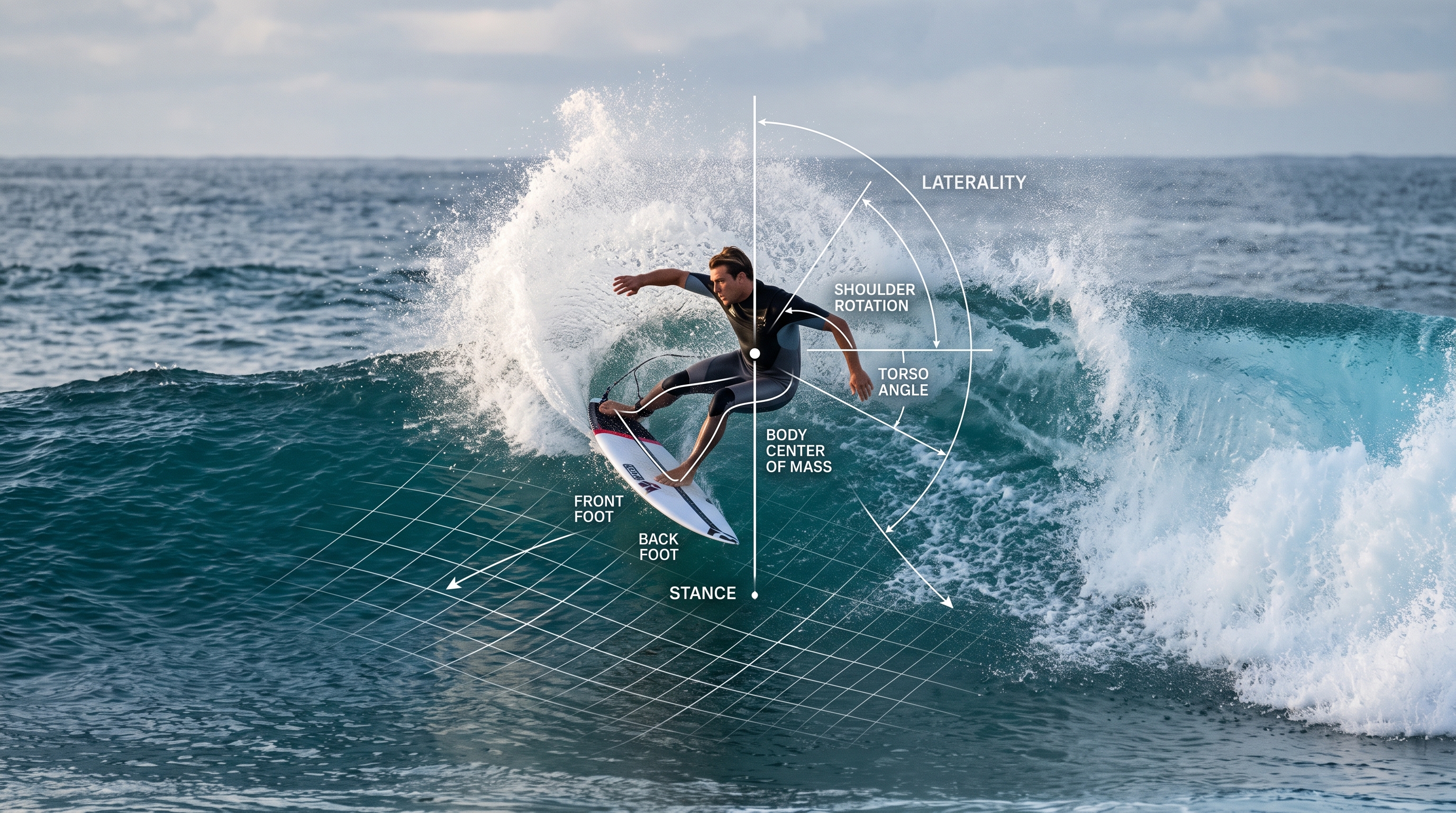
Investigating the psychological and physiological aspects of surfing and adaptive action sports, this strand explores perceptual-cognitive expertise, motor asymmetry, and performance judging. Specific topics include laterality effects (Goofy vs. Regular stance), the influence of post-performance expressions ("claiming") on wave scoring, and adaptation patterns in Para surfing.
Selected Strand Publications
2025
- The Impact of Laterality and Prosthesis on Performance Among Para Surfers: A Cross-Sectional StudyResearch Quarterly for Exercise and Sport , 2025
2020
- Claims in surfing: The influence of emotional postperformance expressions on performance evaluationsJournal of Sport and Exercise Psychology , 2020
2018
- Goofy vs. Regular: Laterality effects in surfingLaterality: Asymmetries of Body, Brain and Cognition , 2018
2016
- βEddie would (nβt) go!β perceptual-cognitive expertise in surfingPsychology of Sport and Exercise , 2016